

- Younger consumers are especially leery of retailers not doing enough to safeguard private information when buying online.
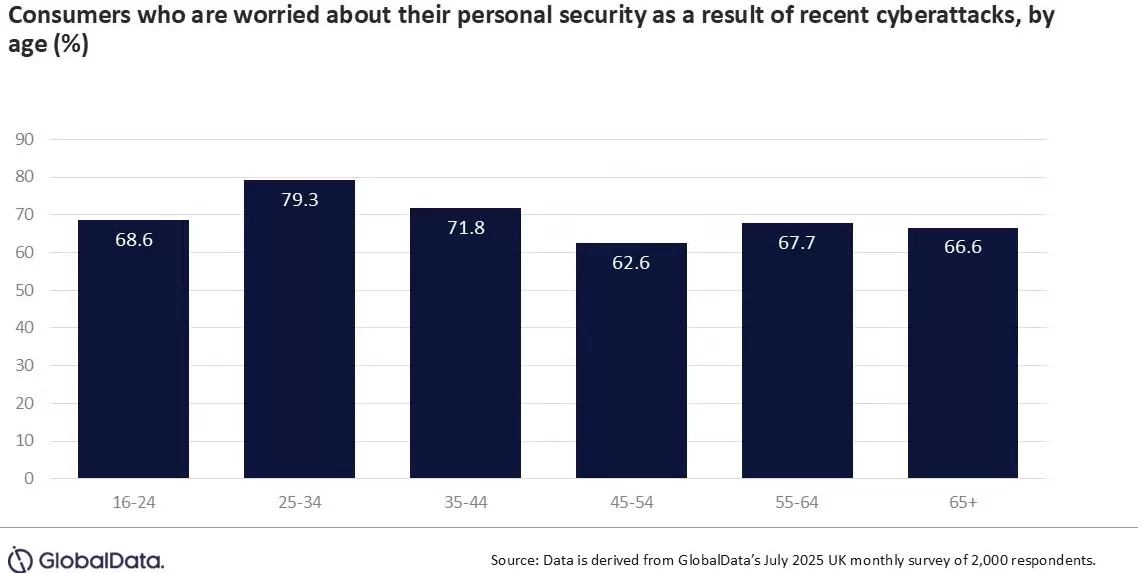
- A hefty 69.3% of UK shoppers are now uneasy about their personal security following high-profile hacks, and it’s the 25-34 age bracket that feels it most keenly, with 79.3% reporting heightened concern.
Cybersecurity worries are starting to make a real dent in how young people in the UK do online shopping.
Recent waves of cyberattacks have rattled consumer confidence, driving a third of 16-34-year-olds to consider dialing back—or even quitting—online purchases altogether.
This presents a particularly sharp dilemma for pure online brands, which don’t have the safety net of brick-and-mortar stores to win back wary shoppers, according to fresh insights from GlobalData.
Emily Salter, Lead Retail Analyst at GlobalData, has her finger on the pulse: “At the end of the day, online shopping’s unbeatable convenience and variety will keep most people coming back. But for families juggling busy schedules or older shoppers who find store visits more taxing, these online advantages can outweigh even big security doubts.
“On the flip side, younger people—already drawn to in-person experiences—could be nudged toward physical shops by rising safety fears.”
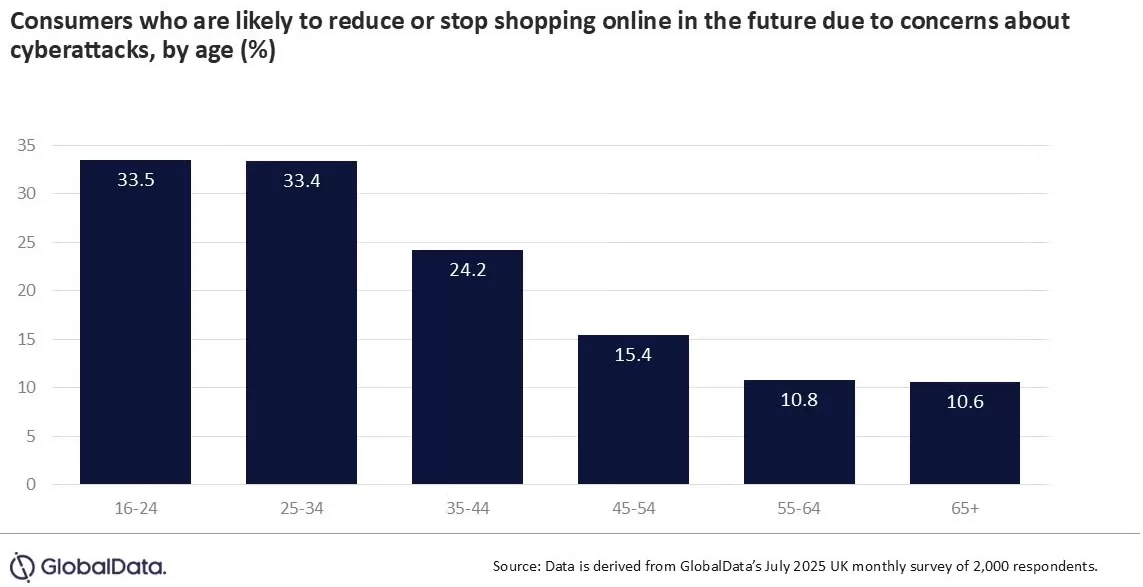
The sentiment is backed up by GlobalData’s July 2025 survey: a hefty 69.3 per cent of UK shoppers are now uneasy about their personal security following high-profile hacks, and it’s the 25-34 age bracket that feels it most keenly, with 79.3 per cent reporting heightened concern.
Such anxiety isn’t just a short-term problem. While sales might take an immediate hit if stock goes missing or a website shuts down, stories about data leaks hang around much longer, threatening the fragile trust that underpins digital commerce.
Salter also notes that younger consumers are especially leery of retailers storing their payment details. Many don’t feel retailers are doing enough to safeguard private information when buying online.
The rise of mobile wallets and services like PayPal and Apple Pay offers a workaround—these payment methods let shoppers skip handing over sensitive data directly to retailers. Unsurprisingly, these alternatives are a hit with the under-35s.
For retailers, that means making sure their digital checkouts play nicely with third-party payment platforms if they want to keep younger customers clicking “buy.”
You must be logged in to post a comment.